Looking for a Las Vegas neighborhood where you can get more room without feeling cut off from everyday convenience? Centennial Hills stands out for exactly that reason. If you want newer housing, large parks, and practical access around the northwest valley, this guide will help you understand what daily life here really feels like. Let’s dive in.
Why Centennial Hills Appeals to Buyers
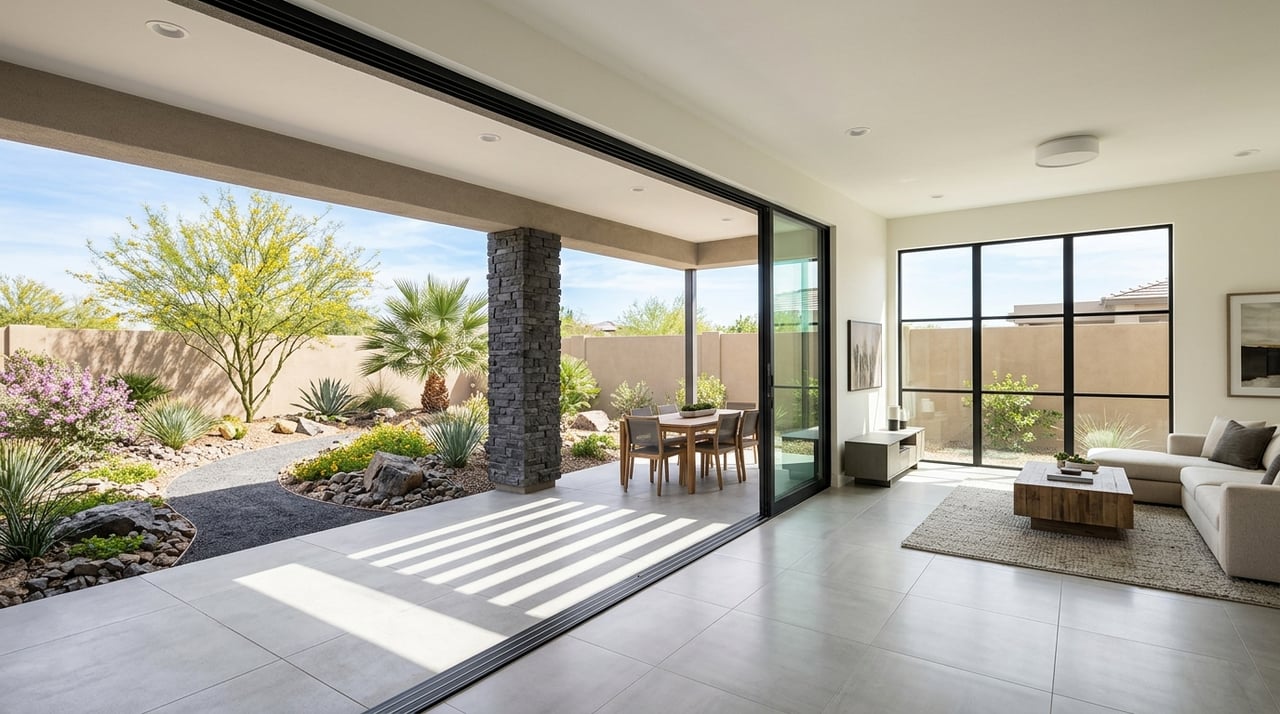
Centennial Hills is in the far northwest part of Las Vegas, and the area is known for a spacious, suburban feel. The City of Las Vegas describes it as a community with newer housing, expansive parks, and a growing mix of amenities. That combination gives you breathing room while still keeping daily needs close by.
For many buyers, the biggest draw is balance. You are not choosing between space and convenience. In Centennial Hills, you can often find a neighborhood pattern that feels quieter and more residential, with shopping, services, and recreation built into the broader area.
Housing Options in Centennial Hills
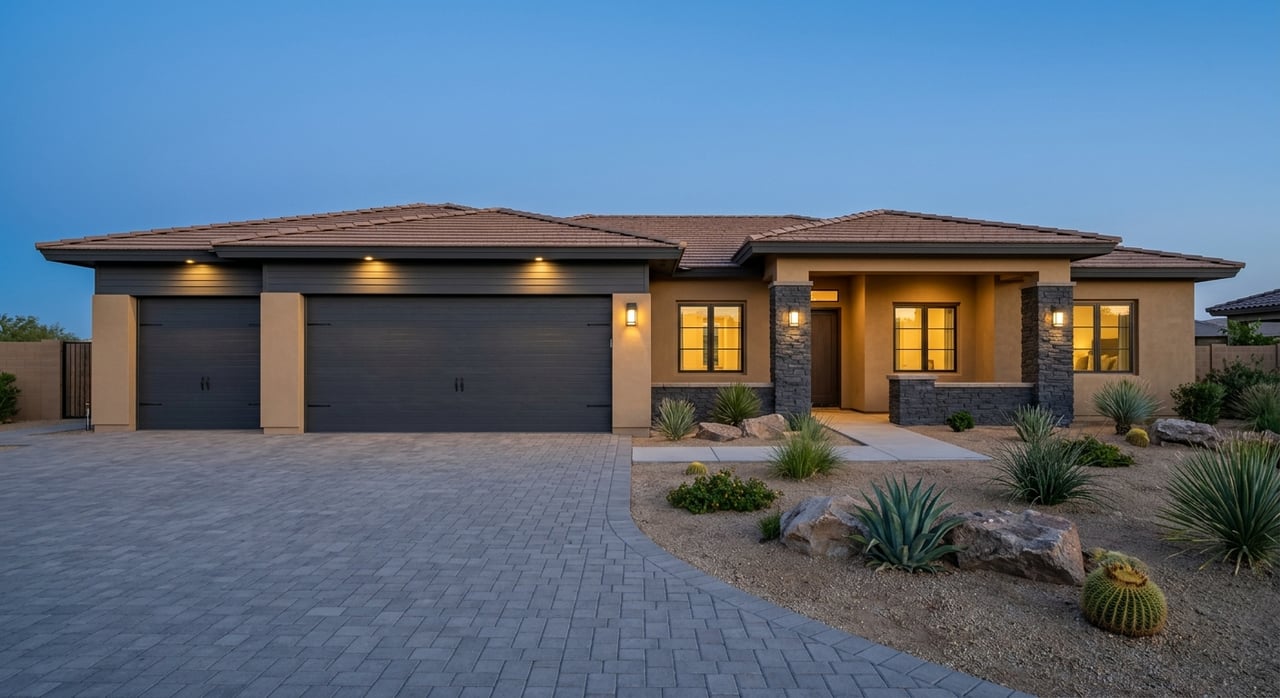
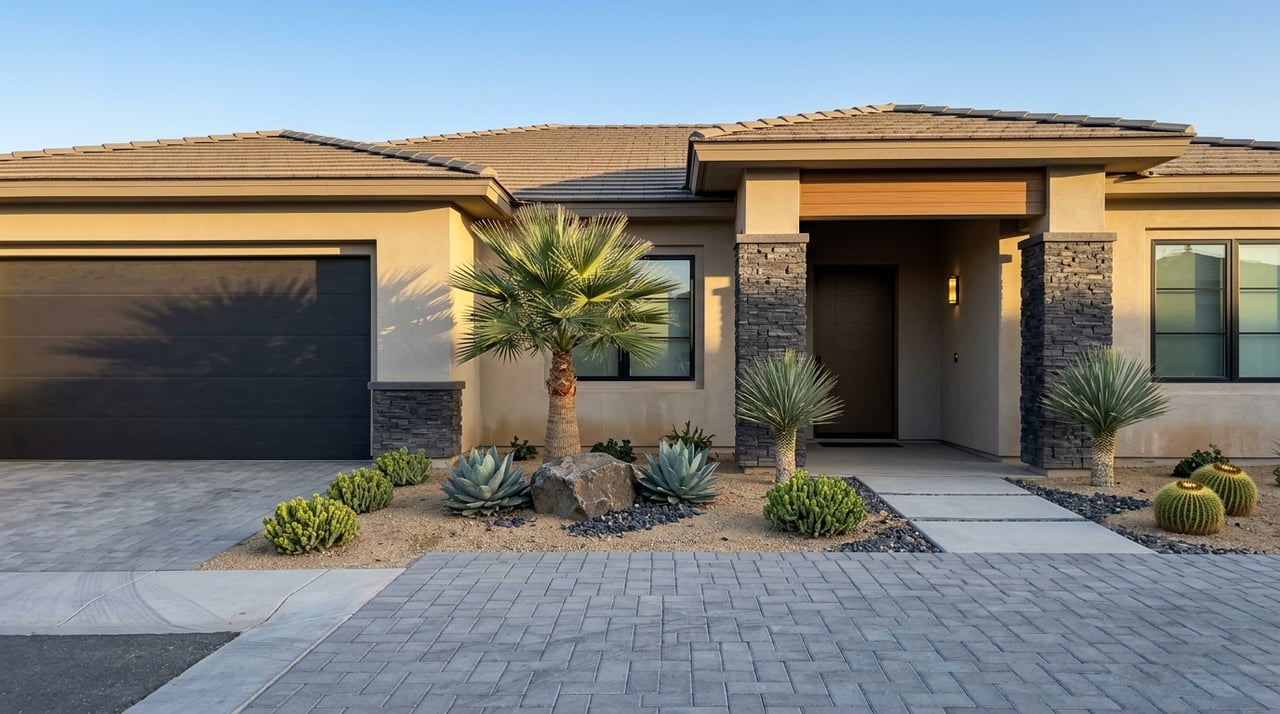
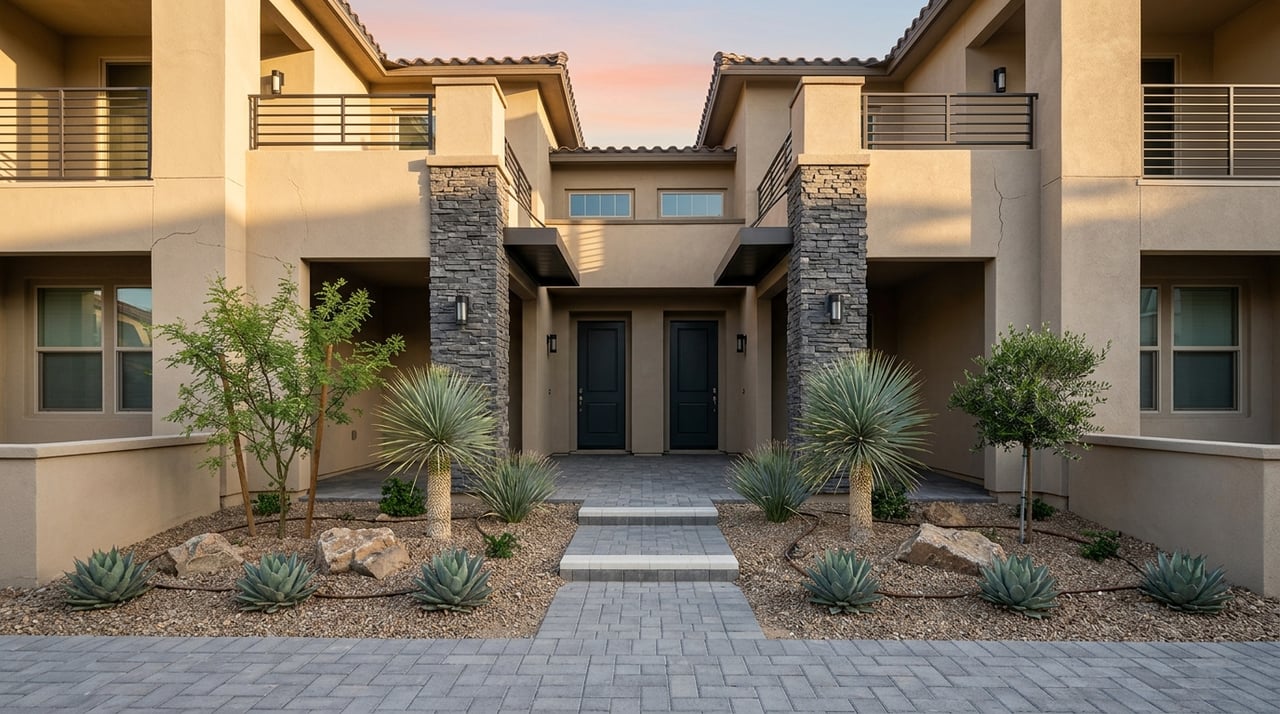
One of the strongest features of Centennial Hills is housing variety. City planning documents describe a mix of newer higher-density subdivisions, traditional suburban single-family neighborhoods, and large-lot residential estates. In and around the town-center core, you also see attached and multifamily housing options.
That matters if your needs are changing. Whether you want a lower-maintenance home, a more typical suburban layout, or a property with a larger lot, Centennial Hills offers several formats within the same general area.
The neighborhood also appears to still be evolving. Recent city housing filings show new single-family attached development in the town-center zone, which suggests Centennial Hills is not fully built out. For buyers, that can mean an area that continues to add housing choices and supporting amenities over time.
Space Shapes Daily Life Here
If you are drawn to roomier streets, larger community footprints, and a less compact layout, Centennial Hills delivers that suburban scale. The area generally reads as more spread out and car-oriented than an urban walkable district. For many residents, that is part of the appeal.
You get a neighborhood environment where homes, parks, and retail are distributed across a broader area. Instead of a dense central district, Centennial Hills is designed around residential pockets supported by commercial nodes and a mixed-use town center.
Parks Are a Major Lifestyle Perk
Outdoor space is one of the biggest reasons people look closely at Centennial Hills. The neighborhood’s flagship park is Centennial Hills Park, a 120-acre regional park with a wide mix of amenities. The park includes an accessible playground, dog park, pickleball courts, soccer fields, water play areas, reservable picnic areas, a jogging and walking path, and an amphitheater.
That kind of park access can shape your routine in a real way. It gives you easy options for morning walks, weekend recreation, outdoor play, and community events without needing to drive across the valley.
The park is also active beyond day-to-day recreation. The Centennial Hills Amphitheatre is located inside the park, and city event listings place the annual Bluegrass Festival there, along with artisan booths, food vendors, and family activities. That adds a community gathering element to the neighborhood’s outdoor appeal.
Nearby Outdoor Escapes
If you want an even bigger nature-focused setting, Floyd Lamb Park at Tule Springs is nearby. The City of Las Vegas describes it as a 680-acre oasis with wildlife, lakes, mountain views, and the historic Tule Springs Ranch.
This helps reinforce one of Centennial Hills’ strongest lifestyle advantages. You are in a part of Las Vegas that connects you to neighborhood parks and broader outdoor recreation without losing access to the rest of the city.
Recreation Beyond the Park
Everyday recreation in Centennial Hills is not limited to open green space. The Centennial Hills Active Adult Center at 6601 N. Buffalo Drive offers classes, fitness, indoor walking, pickleball, an indoor lap pool, and a library.
That gives the area another layer of convenience for residents who want structured programming and indoor options. It also shows that Centennial Hills supports more than just drive-home-and-stay-home living.
Shopping and Errands Feel Practical
Centennial Hills was planned around a concentrated commercial core rather than a traditional downtown main street. City planning materials say Centennial Hills Town Center was envisioned as a high-intensity mixed-use district with retail, office, residential, parks, schools, and public facilities. The broader goal was to meet most retail, service, and recreational needs for the northwest area there.
In practical terms, that means your errands are usually handled through the town-center core and several surrounding retail nodes. You are not relying on one compact shopping street. Instead, the neighborhood is set up for convenience across a suburban layout.
For many buyers, that is a strong fit. Grocery runs, casual dining, services, and routine stops tend to feel built into the pattern of the area, which can make daily life more efficient.
The Role of Centennial Hills Town Center
Centennial Hills Town Center is the area’s main mixed-use hub. The city’s standards describe the Montecito district as a multi-use activity center with office, retail, residential, entertainment uses, open space, and pedestrian circulation.
That planning approach matters because it helps explain the feel of the neighborhood. The town center concentrates more activity in one area, while nearby residential sections keep more of their quiet, suburban character.
Getting Around Centennial Hills
Transportation is another reason Centennial Hills attracts buyers who want convenience in northwest Las Vegas. The area has strong freeway access, especially through the Centennial Bowl, which is the U.S. 95 and 215 Beltway interchange. According to NDOT, this freeway-to-freeway connection improved mobility in the area.
If you commute regularly or move around the valley often, that access can be a major advantage. It supports the kind of car-first lifestyle that matches the overall layout of the neighborhood.
Transit and Park-and-Ride Options
Driving is the main transportation pattern in Centennial Hills, but transit options are available. The RTC says the Centennial Hills Transit Center and Park & Ride is at 7313 Grand Montecito Parkway near the U.S. 95 and Durango interchange. It includes about 900 free surface parking spaces, transit shelters, and bays for future service.
RTC also lists Route 106 Rancho/Centennial Hills as a connection to the Bonneville Transit Center, and Centennial Express is listed among the express routes. For some residents, that means you can combine suburban living with transit access when it fits your routine.
What Daily Life Feels Like
Daily life in Centennial Hills is best described as practical, roomy, and recreation-friendly. You can expect a suburban environment where errands are straightforward, parks are a real part of the lifestyle, and the broader northwest valley feels accessible.
This is not the neighborhood for someone seeking a dense urban grid or a highly walkable downtown atmosphere. It is better suited to buyers who want space, newer housing patterns, and a neighborhood structure that supports day-to-day convenience.
That combination is exactly why Centennial Hills keeps drawing attention. You get room to spread out, access to major parks, and a location designed to make everyday living easier.
Is Centennial Hills Right for You?
Centennial Hills may be a strong fit if you want:
- Newer housing options in a suburban setting
- A mix of single-family, attached, and larger-lot home types
- Easy access to major parks and outdoor recreation
- Practical shopping and service access close to home
- Strong freeway connectivity in northwest Las Vegas
- Transit and park-and-ride options as a supplement to driving
If your goal is to find a Las Vegas neighborhood that offers space, parks, and real convenience, Centennial Hills deserves a serious look. And if you want a sharp strategy before you buy or sell in the northwest valley, Johnny Richardson can help you move fast, negotiate hard, and make a confident decision.
FAQs
What is Centennial Hills like in Las Vegas?
- Centennial Hills is a far northwest Las Vegas neighborhood known for newer housing, a spacious suburban feel, large parks, and a growing mix of retail and services.
What types of homes are in Centennial Hills?
- City planning materials describe a mix of suburban single-family homes, higher-density newer subdivisions, large-lot residential estates, and attached or multifamily housing in the town-center area.
Does Centennial Hills have good parks?
- Yes. Centennial Hills Park is a 120-acre regional park with an accessible playground, dog park, pickleball courts, soccer fields, water play areas, picnic spots, walking paths, and an amphitheater.
Is Centennial Hills walkable?
- Centennial Hills includes pedestrian-focused planning in the town-center area, but overall it is generally more spread out and car-oriented than an urban walkable district.
Is Centennial Hills convenient for errands?
- Yes. The area was planned around a town-center core and surrounding retail nodes, which helps residents handle shopping, dining, and services within the broader neighborhood.
How is commuting from Centennial Hills?
- Centennial Hills has strong freeway access through the U.S. 95 and 215 Beltway interchange, and it also offers park-and-ride and bus service options through the RTC.
What outdoor recreation is near Centennial Hills?
- In addition to Centennial Hills Park, nearby Floyd Lamb Park at Tule Springs offers a larger outdoor setting with lakes, wildlife, mountain views, and historic features.